
Understanding Home Value in Coastal Massachusetts Communities
What Shapes Home Value Along Coastal Massachusetts?
Pricing a home near the water is rarely as simple as checking recent sales and calling it a day. In coastal Massachusetts communities, value is influenced by a mix of location details, housing stock, seasonal demand, flood-zone considerations, and the everyday appeal of living near shoreline amenities. For buyers and sellers trying to make sense of the numbers, the most useful approach is to look beyond headline prices and focus on the specific features that create lasting demand.
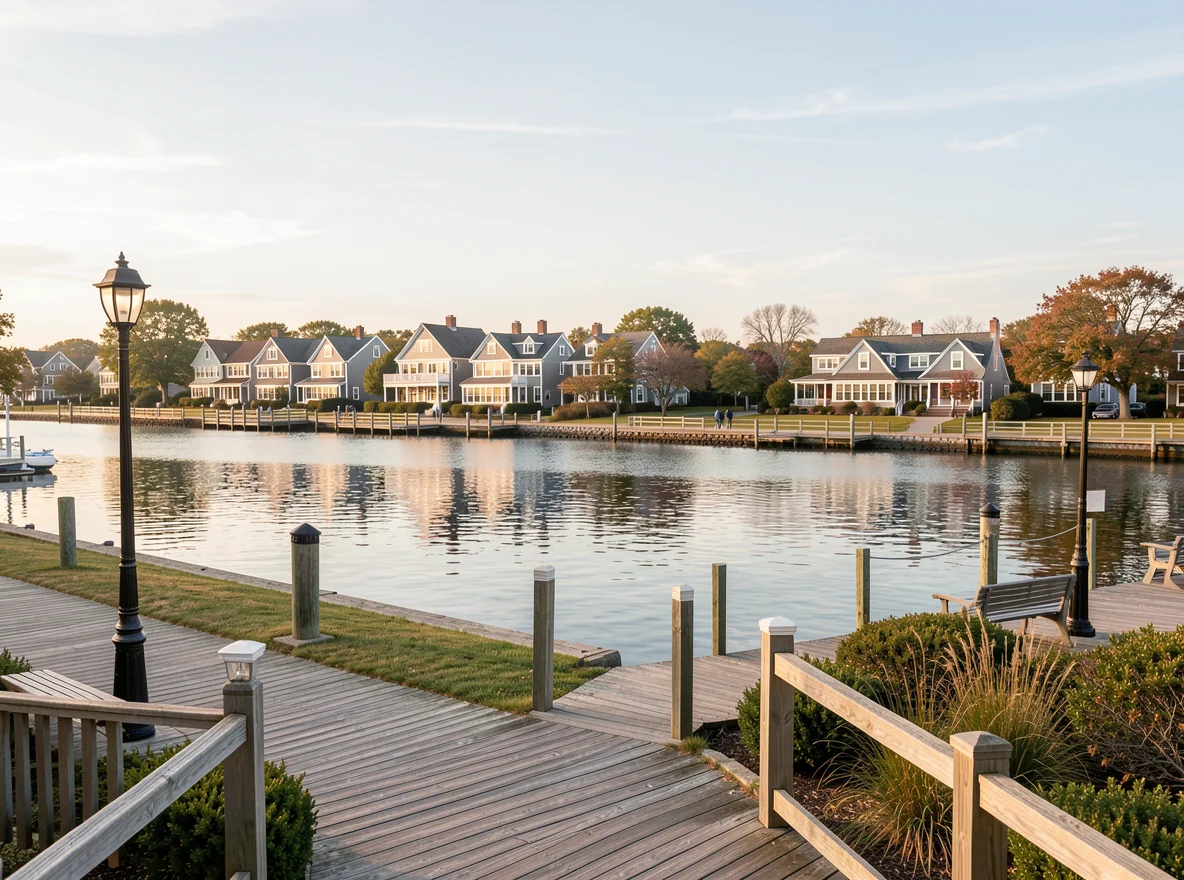
Across the Upper Cape, home values often move in response to proximity to salt water, marinas, beaches, bridges, and village centers. A property with even a partial water view may command attention that another home of similar size does not. The same is true for a location with easy access to the Cape Cod Canal, boat launches, or established neighborhood streets with consistent upkeep. In many cases, buyers are not just comparing square footage; they are comparing the full experience of the setting.
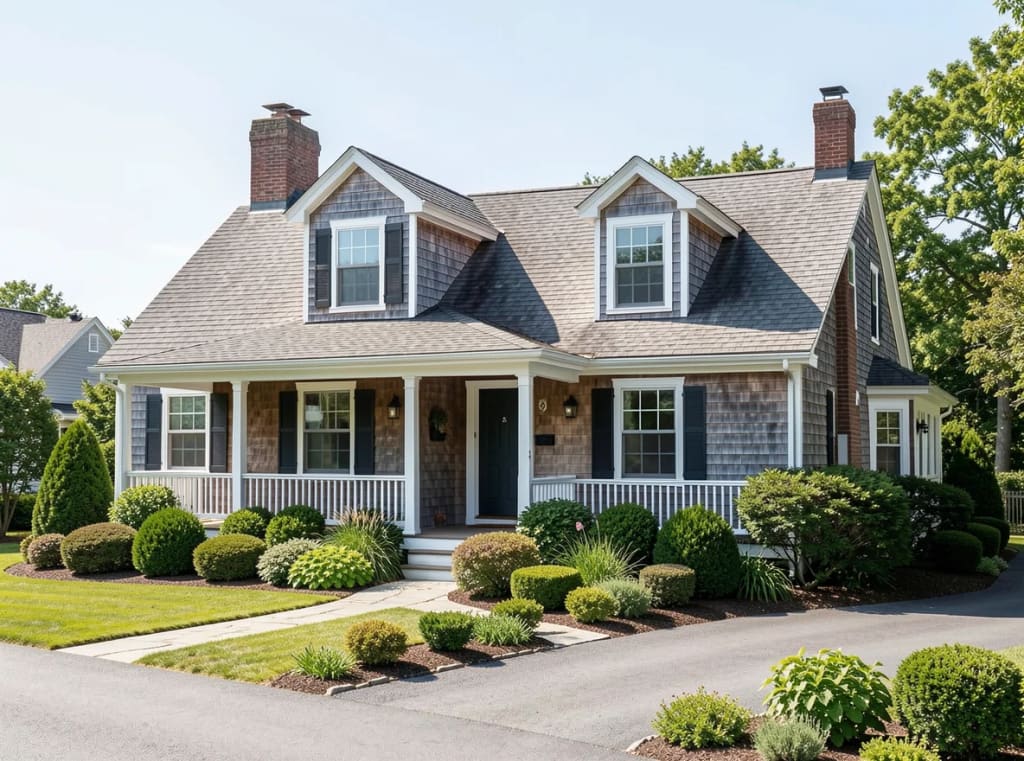
Housing style matters too. Coastal Massachusetts includes everything from updated ranches and antique homes to newer construction, condominiums, and seasonal cottages that have been expanded for year-round use. Condition, layout, and deferred maintenance can create significant value gaps, even between homes on the same road. A property with modern systems, storm-ready exterior materials, and an efficient floor plan may stand apart from a larger home that needs substantial improvements.
Another major factor is how a home fits current buyer expectations. Open kitchens, usable outdoor space, home offices, and practical storage have become more important in recent years. In shoreline communities, buyers also look carefully at parking, beach gear storage, outdoor showers, low-maintenance landscaping, and how easily a property supports both everyday living and weekend use. These details may sound small, but together they shape market perception and final sale price.
Why Location Details Matter More Than a ZIP Code
Two homes can share the same town name and still perform very differently in the market. That is especially true in places where one address may offer quick access to the canal bike path, a village center, or a waterfront landing, while another sits farther from those draws. Commute convenience also plays a role. In Bourne and surrounding communities, access to major routes can influence value for buyers who split time between the Cape and off-Cape destinations.
School districts are part of many home searches, but from a valuation standpoint, the broader picture usually includes municipal services, road conditions, conservation land, and the availability of nearby recreation. Buyers often compare how easy it is to enjoy beaches, walking trails, golf, marinas, and local gathering spots. They also watch whether a neighborhood feels established, whether homes show pride of ownership, and whether future development could alter the character of the immediate area.

Seasonality is another layer unique to coastal markets. Some homes attract steady year-round interest, while others gain momentum during spring and summer when buyers can better experience outdoor amenities and waterfront surroundings. This seasonal visibility can affect pricing strategy, days on market, and how a home is presented. Strong photography, timing, and accurate local comparisons become especially important when inventory shifts from one season to the next.
Flood maps, insurance costs, and storm exposure also deserve close attention. These elements do not automatically reduce value, but they do influence buyer calculations. A well-maintained home in a flood-prone area may still earn strong interest if elevation, improvements, and access points are favorable. On the other hand, uncertainty around insurance or required updates can narrow the buyer pool. Understanding these tradeoffs is essential in any coastal valuation discussion.
That is one reason hyperlocal knowledge matters. A broad online estimate may miss whether a particular road is prized for harbor access, whether a property has better elevation than neighboring homes, or whether a location benefits from town beach proximity without the same traffic exposure as another nearby area. These are the details a local brokerage can identify quickly because they come from daily market experience rather than a national pricing formula.
Reading the Market: Buyers, Sellers, and Long-Term Appeal
When people talk about “the market,” they often mean median prices or interest rates. Those indicators matter, but coastal Massachusetts values are also driven by limited inventory and the enduring appeal of homes near water, recreation, and historic village settings. Even when conditions shift, well-located and well-prepared properties tend to hold attention because supply in desirable coastal areas is often constrained.
Sellers can strengthen value by focusing on the features buyers notice first: exterior condition, windows, roof age, heating systems, and interior updates that make a home feel move-in ready. On the Cape, practical improvements often carry real weight. A refreshed entry, well-maintained deck, tidy landscaping, and a clean, bright kitchen can improve the overall impression before a buyer ever gets to the bedrooms. Presentation supports price when it helps buyers understand how the home lives day to day.
Buyers, meanwhile, benefit from looking at value in layers. The asking price is only one part of the equation. Ongoing insurance, utility efficiency, potential maintenance, and future resale position should all factor into the decision. A slightly higher-priced home with recent updates and strong location fundamentals may offer more stability than a lower-priced listing that needs substantial work or sits in a less competitive micro-location.
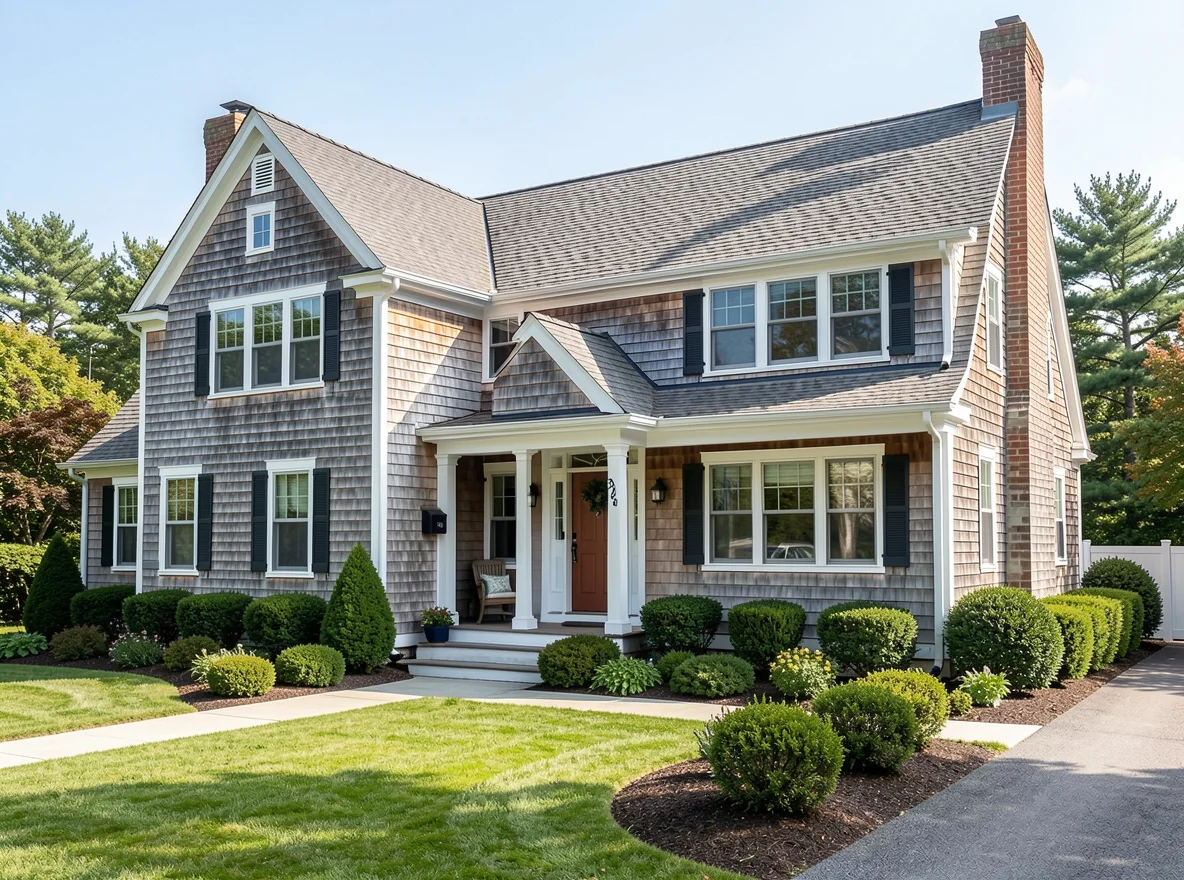
For both sides of the transaction, context is everything. Comparable sales need to be recent, close, and genuinely similar in condition, lot characteristics, and access to area amenities. A home near the water cannot always be compared fairly to one a few miles inland, just as an updated year-round residence may not align with a smaller seasonal cottage. The more nuanced the comparison, the more useful the valuation.
Shore Road Realty’s strength in this environment comes from deep local roots, close familiarity with Bourne and the Upper Cape, and a personalized brokerage approach that prioritizes real insight over generic advice. In a market where small differences can create meaningful shifts in value, local knowledge helps buyers move with clarity and helps sellers position their homes with confidence. Coastal Massachusetts will always attract attention, but understanding why one property stands out over another is what turns that attention into a smart real estate decision.